Weed Education
Seasonal selections: summer and winter varieties of cannabis
Seasonal selections: summer and winter varieties of cannabis. Seasonal cannabis varieties differ in how they perform across the year and in varying climates. For dispensaries and online shops, explaining seasonal strains clearly helps buyers make confident choices. Some genotypes thrive in long sunny days, producing vibrant aromas and large yields, while others resist cooler conditions and short light cycles, making them better suited for autumn or winter use. Offering tailored collections achieves better satisfaction from your customers and helps distinguish your catalog in search results when you use precise seasonal keywords like summer cannabis strains and winter indica for cold climates.

When talking about genetics, the main aspects to mention are whether a product is indica-dominant, sativa-dominant, or a hybrid; how long it flowers; and how it tolerates environmental stressors. For example, cannabis strains that perform well in warm, extended daylight are perfect for summer launches. Meanwhile, indica-leaning genetics with robust trichomes can retain terpene integrity even in chillier months. This seasonal clarity improves your site’s SEO while guiding buyers to the appropriate strain without unnecessary technical complexity.
- Summertime genetics focus on abundant light and quick flowering.
- Winter indica lines emphasize durability and resin density.
- Clear seasonal tagging boosts search relevancy for your audience.
Photoperiod vs Autoflower: Seasonal Growth Patterns Explained
The distinction between photoperiod and autoflower cannabis is essential for both growers and buyers. Photoperiod varieties respond to day length, typically flowering when light decreases—this makes them ideal for predictable summer cycles. Autoflower varieties, by contrast, transition into flowering based on age, independent of light changes, offering flexibility. These are excellent products for buyers in regions with fluctuating seasons or for late harvest scenarios. Including this explanation right in the product descriptions helps reduce support inquiries and reinforces confidence in purchase decisions.
From a business standpoint, listing whether a strain is photoperiod or autoflower increases your chances of matching long-tail search intent. Someone searching for “fast summer harvest cannabis” or “easy winter grow indica” is more likely to convert if those terms appear in your listings. Keep your language accessible and friendly—seasonal buyers don’t want academic theory, they want actionable clarity.

Summer Selections: Profile, Benefits, and Buyer Intent
Summer cannabis collections are often associated with brighter, energizing experiences and uplifting terpene profiles. These strains are typically sativa-leaning or balanced hybrids that thrive under extended daylight and deliver refreshing aromas and clear effects. In your online catalog, tag these as summer editions with descriptors related to daytime enjoyment, outdoor activities, and mild introspective lifting of mood.
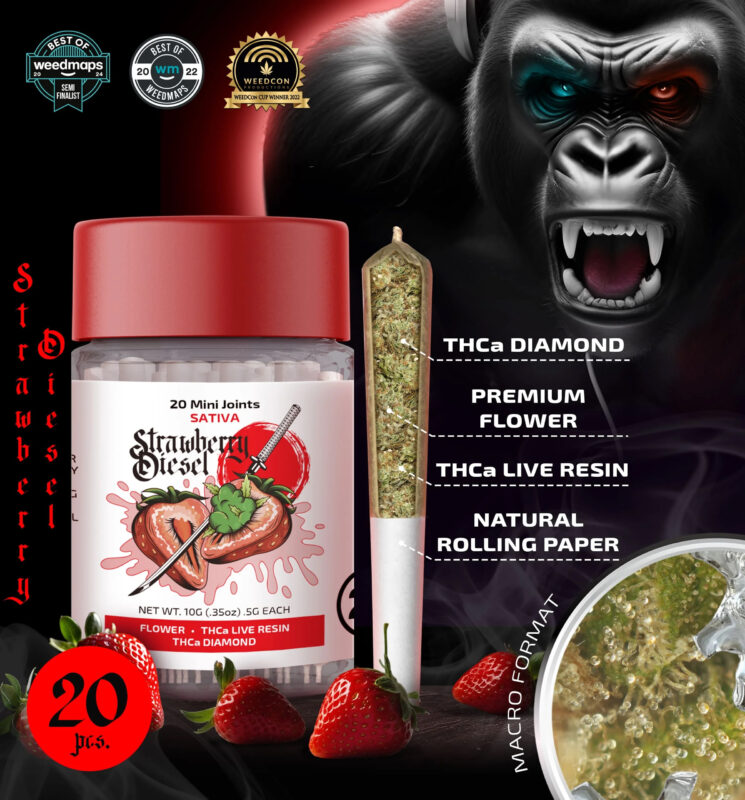
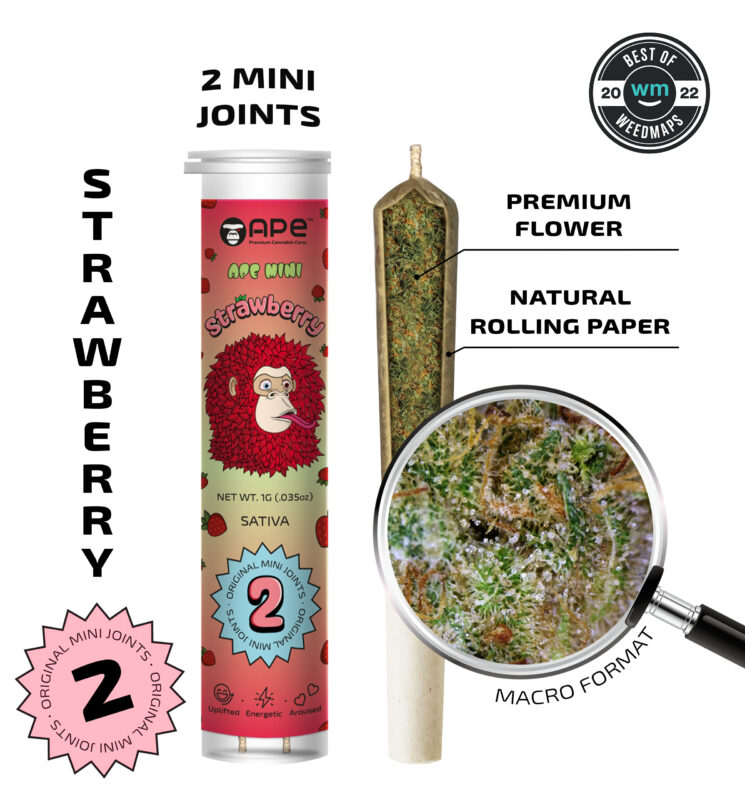
For specific APE Premium examples, consider highlighting products like APE Freeze Watermelon — a hybrid with sweet, fruity notes and balanced effects, evocative of warm weather vibes and social relaxation. APE Premium Strains packaged as infused mini-joints or seasonal packs also reinforce ease of use in summer settings—think picnics, hikes, and long evenings outside.
When crafting SEO-friendly content, pair term variations with sensory descriptors, like “bright citrus summer cannabis strain” or “fruit-forward warm weather weed,” to capture related search queries and improve organic visibility.
- Sativa-leaning or balanced hybrids highlight summer vibes.
- Refreshing flavors and moderate effects fit active lifestyles.
- Seasonal descriptors increase search relevance.
Winter Selections: Resilience, Relaxation, and Market Positioning
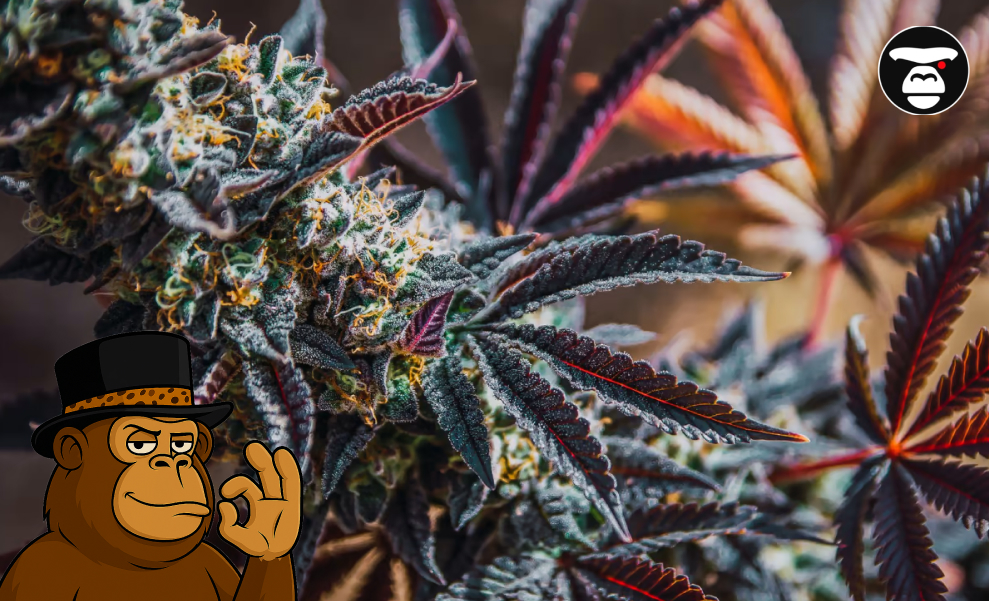
Winter strains are typically indica-dominant or heavily resinous hybrids designed for relaxation and indoor comfort. These products often offer calming, sedative effects with deep earthy and sweet notes. In catalogs, these can be pitched as the perfect companion for cosy evenings, mellow social moments, or stress relief after long days.
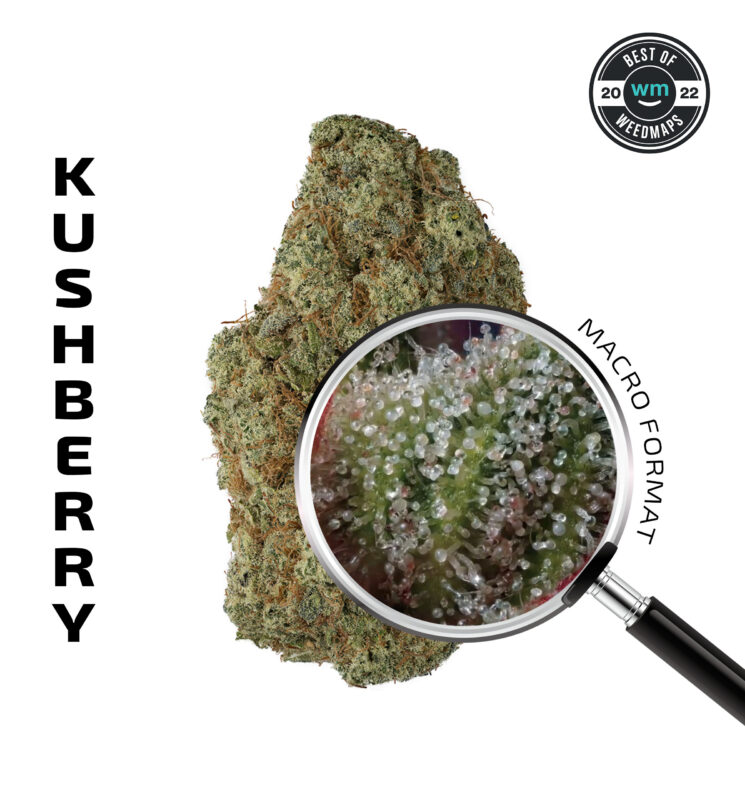
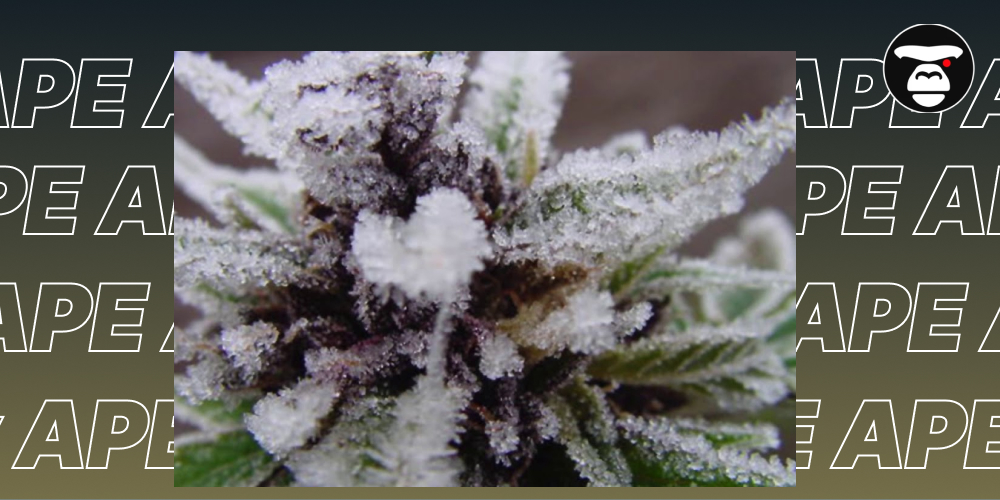
For example, APE Freeze (Indica) delivers a soothing, minty, and earthy profile that aligns well with colder months and indoor use. APE Premium Emphasize structure—dense buds and high trichome coverage—because these traits hint at stability in storage and potent effects that consumers appreciate in winter. Using key phrases like “winter indica for cold climates” naturally fits these offerings into relevant search results, particularly for users comparing effects or seeking seasonal recommendations.
Well-designed winter collections also offer packaging cues—vacuum-sealed bags or humidity packs—which reassure buyers about freshness and longevity throughout colder seasons.

APE Freeze (Indica) — Premium Flower
Dive into the cool depths of APE Freeze, a premium Indica with a refreshingly minty and earthy flavor. Its aroma, reminiscent of pine and fresh forest, complements the strain’s soothing and relaxing effects. APE Freeze is ideal for those seeking to unwind deeply, offering a tranquil and lasting calm.
Each package of Premium Flowers contains CO2 to maintain its potency and taste. Each package includes roll paper and a set of filters for convenience. Available in 1 oz, 1/2 oz, 1/4 oz and 1/8 oz sizes, it is designed for freshness and quality, delivering a premium cannabis experience.


Cannabinoid and Terpene Profiles: Connecting Effects to Season
Effect descriptions matter. Rather than just quoting numbers, explain how cannabinoid ratios and terpenes shape user experience. Summer strands often have terpenes like limonene and pinene, contributing to uplifting and bright sensations. Winter varieties, on the other hand, might be higher in myrcene or linalool, associated with calming and cozy effects.
When you describe a product’s effect, use a mix of cannabinoids plus terpene cues in plain language that resonates with user search terms. Terms like “citrus energizing strain” for summer or “earthy sedative indica” for winter help anchor your listings in user intent, improving visibility for key phrases and long-tail queries alike.
Pairing these with products like APE Watermelon Indica Infused Ground Flower Mix—noted for its sweet, fruity character—is a way to tap summer flavor interest, while dense indica flower appeals to winter sensibilities. APE Premium
- Combine THC/CBD notes with terpene effects in descriptions.
- Highlight uplifting vs relaxing profiles for seasonality.
- Use approachable wording tied to search queries.
Stocking and Logistics: Seasonal Catalog Planning for Retailers
Inventory that reflects seasonality means anticipating demand changes. Summer demand may lean toward lighter formats—mini-joints and carry-friendly packs—while winter sales can peak for larger jars and strains with robust storage stability. Make sure your product titles and descriptions contain terms that match seasonal search trends without keyword stuffing.
Organize your catalog into “Summer Strains” and “Winter Selections” collections, each with subfilters like effect (energizing vs relaxing) and format (joint, flower, vape). These internal links help search engines and users navigate relevant products seamlessly.
Remember: customers searching with terms like “best cannabis for summer” or “winter indica recommendations” are more likely to convert when you provide clear seasonal context and useful visuals.
- Freeze Watermelon Weed Strain
- How to Combine Cannabis with Relaxation: Tips from Experienced Users
- Weed Delivery & Dispensaries in San Bernardino
Packaging and Formats: Tailoring Presentation by Season
Packaging isn’t just about preservation—it’s also a signal to the consumer about how the product fits into their life. Summer collections benefit from fresh, colourful design language emphasizing portability and ease of use. Compact packs, single joints, or mixed sampler packs work well here and naturally attract clicks when phrases like “summer cannabis strains” appear in titles and descriptions.
Winter offerings, meanwhile, can lean into heartier design elements: dense flower packaged with humidity control, premium indica jars, or season-themed bundles. Pair these with terms like “winter indica for cold climates” in metadata to capture relevant search traffic and convey that the product shines in its own context.
Small touches—like highlighting “airtight storage included” or “ideal for evening unwinding”—both aid SEO and help users connect emotionally with the seasonality of each variety.
- Summer packs focus on convenience and portability.
- Winter bundles emphasize preservation and comfort.
- Packaging descriptors reinforce seasonal search intent.
Final Thoughts on Seasonal selections: summer and winter varieties of cannabis
Balancing seasonal cannabis selections, experimenting with summer strains and winter strains, and discovering how different THC profiles shape the experience turns cannabis into a year-round adventure instead of a routine habit. Warm months favor light, energizing varieties such as Sativa hybrids, where bright terpenes and uplifting effects help users enjoy longer days and outdoor activities. Options like Freeze Watermelon Indica 7 Diamond Infused Mini Joints, Golden Pineapple Sativa, or Electric Lemon G highlight citrus, fruitiness, and a breezy mood that pairs naturally with summer.
When temperatures drop, preferences often shift toward Indica-dominant strains, deeper relaxation, and richer flavor notes. Winter is ideal for cozy evenings with heavier varieties such as Nightshade OG, Blue Frost Indica, or Moonbow Hybrid. Strains with earthy or dessert-style terpene profiles feel especially welcome during the colder season, helping with comfort, recovery, and winding down.
Adaptive consumption—choosing the right strain for the right weather—lets users shape their sessions with intention. Whether enjoying crisp outdoor sunshine or staying warm indoors, pairing the climate with the appropriate profile creates a smoother, more enjoyable routine. With an expanding catalogue from brands like Ape Premium, finding the right seasonal match becomes easier, more fun, and much more flavorful.
FAQ
What makes summer cannabis strains different?
Summer-friendly strains usually include Sativa and Sativa-leaning hybrids with bright terpenes such as limonene and pinene. These profiles promote an uplifting, refreshing effect ideal for social events, outdoor activities, and creative tasks. Popular examples include Electric Lemon G, Super Mango Haze, and fruity selections like Freeze Watermelon Indica Mini Joints for a balanced seasonal mood.
Why do winter strains tend to be heavier?
Winter strains often lean toward Indica or Indica-dominant hybrids, offering deeper body relaxation, heavier terpene combinations (myrcene, linalool, caryophyllene), and longer-lasting calm. Varieties like Blue Frost, Nightshade OG, and Cream Sorbet Hybrid suit colder months, enhancing comfort and end-of-day rest.
Is it better to change strains with the seasons?
Switching isn’t required, but adjusting strain profiles, THC levels, and terpene compositions can improve the overall experience. Seasonal rotation helps match your energy levels, lifestyle, and mood shifts throughout the year. Many users enjoy summer citrus strains for daytime clarity and winter dessert strains for relaxation.
Where can I explore more seasonal cannabis options?
Ape Premium offers a wide selection of Infused Pre-Rolls, Diamond-infused strains, seasonal hybrids, and unique terpene blends crafted for different preferences. Options like Freeze Watermelon, Banana Sherbet 7 Diamond, and Honeydew Haze make it easy to build a personal year-round rotation.