

Weed Education
Marijuana and Social Interactions: Benefits and Drawbacks

Marijuana has a significant impact on social interactions, influencing mood, emotional sensitivity, and communication skills. Its effects vary depending on the strain, dosage, and social context. For some, marijuana facilitates openness, laughter, and smooth conversations, while for others, overconsumption can lead to lethargy, social withdrawal, and difficulty concentrating. Understanding these effects is essential for anyone seeking to use marijuana safely and comfortably in social settings.


How Marijuana Influences Communication
Marijuana can profoundly alter emotional states, directly affecting communication. Moderate use often results in reduced social anxiety, a sense of relaxation, and increased ease in conversation. This is particularly valuable for individuals who experience stress in social settings or feel hesitant when meeting new people. Marijuana can stimulate creativity, humor, and openness, promoting deeper discussions and mutual understanding.
The effect, however, depends heavily on dosage and personal physiology. High doses of THC may induce drowsiness, slow reactions, and reduce the motivation to engage in conversation. While small amounts can make dialogue flow smoothly, too much can lead to withdrawal and silence. Being aware of individual tolerance is key to maximizing social benefits.
Key aspects of communication influence:
- Reduction of social anxiety and stress
- Enhancement of creativity and humor during conversation
- Possible slowing of response time at higher doses

Emotional Openness and Empathy
Marijuana often increases emotional sensitivity, making individuals more attuned to the feelings of others. Conversations tend to become more sincere and profound, allowing topics that are usually avoided to surface naturally. In group settings, this manifests as trust, openness, and stronger interpersonal bonds.
Strains with balanced THC content are particularly effective in fostering emotional openness, while excessive consumption can trigger anxiety or social withdrawal. Being mindful of the strain and dose ensures that social gatherings remain positive and engaging.
Benefits of emotional openness:
- Improved understanding and mutual trust
- Ease in discussing sensitive or personal topics
- Strengthening of friendships and romantic relationships




Positive Effects on Mood
Marijuana frequently enhances mood, which directly impacts social interactions. People often feel lighter, more cheerful, and more willing to engage in conversations. The compounds in marijuana, particularly THC and certain terpenes, interact with neurotransmitters linked to pleasure and emotional response. Elevated mood can foster laughter, playfulness, and a more enjoyable social atmosphere.
Strain selection matters: sativa and hybrid strains often provide energetic and social effects, whereas indica strains promote calmness and relaxed social engagement. By choosing the appropriate strain, individuals can tailor their experience to the nature of the social event.
How mood influences social interaction:
- Creates a positive, welcoming atmosphere
- Increases trust and openness among participants
- Encourages light, unforced conversations

Potential Drawbacks of Marijuana
While moderate use can enhance social experiences, overconsumption may negatively affect social interactions. High doses of THC can lead to drowsiness, reduced attention span, and self-consciousness, making communication challenging. Anxiety or paranoia may also appear in certain individuals, particularly in unfamiliar settings or large groups.
Being aware of these potential drawbacks helps users adjust their intake to maintain social comfort. Understanding one’s personal tolerance and the effects of different strains is critical for avoiding awkward or uncomfortable situations.
Main drawbacks:
- Drowsiness and slower reaction times
- Anxiety or heightened self-consciousness
- Reduced quality of conversation in high doses

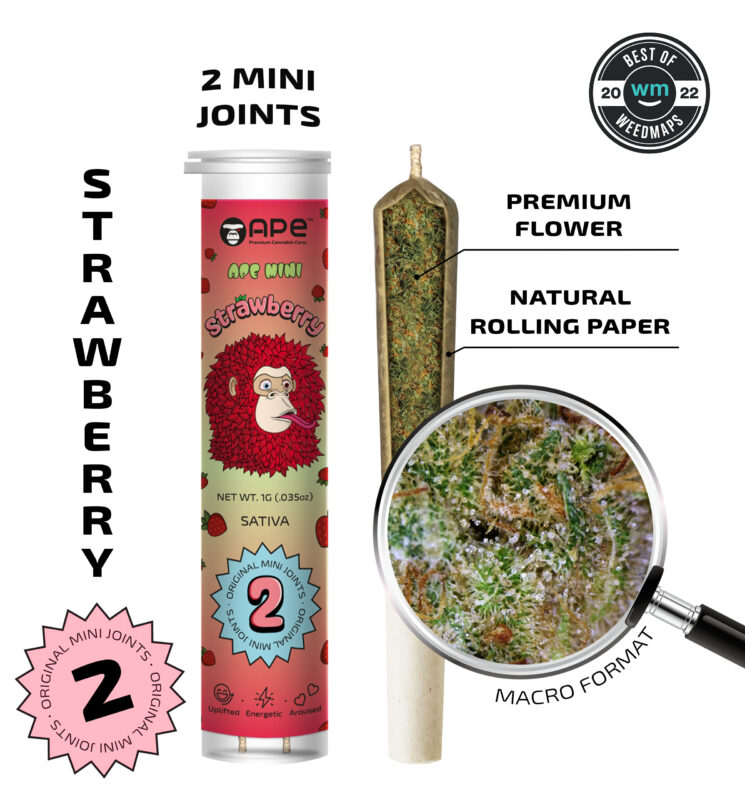
Ape OG — 20 original mini joints (10g | 0.5g each)
Explore the depth of Ape OG 20 original mini joints, each weighing 0.5 grams. This indica strain is a masterpiece in the world of cannabis, known for its robust and complex profile. Ape OG seamlessly combines earthy, pine notes with a subtle hint of sweetness, delivering a full-bodied experience. These mini joints are perfect for those seeking a powerful, yet nuanced encounter with one of the most revered strains.
Every joint is hand-rolled from premium flower, ensuring utmost quality. The use of natural rolling paper accentuates the genuine flavors and aroma, delivering an smoking experience. Our packaging includes child-resistant features, ensuring peace of mind for our customers.
The 20 joint pack perfect as a month-long supply or the centerpiece of a large party.
Marijuana and Group Dynamics
Marijuana affects not only individual behavior but also group dynamics. In small gatherings, it can enhance friendliness and ease interaction. In larger groups, effects are less predictable; high doses among multiple users may lead to fragmentation or disengagement.
Choosing the right strain and dose for the group is crucial. Balanced hybrids often maintain group cohesion, while strong sativa or indica strains may push some individuals toward either hyperactivity or lethargy, affecting overall harmony.
Factors influencing group dynamics:
- Number of participants and individual tolerance levels
- Strain type and THC/CBN content
- Overall mood and purpose of the gathering

Situational Effects of Marijuana
The effects of marijuana vary according to social context. In friendly gatherings, it can enhance laughter and conversation; in romantic settings, it may increase trust and emotional connection; in more formal or professional situations, it can reduce focus and responsiveness.
Understanding context allows users to maximize positive effects while minimizing potential drawbacks. Tailoring strain choice, dosage, and timing to specific situations ensures a safer and more enjoyable experience.
Examples of situational effects:
- Parties and casual hangouts — light-hearted, engaging conversation
- Romantic evenings — trust, openness, and empathy
- Quiet evenings or relaxed settings — calmness and introspection
- San Jose Weed Dispensaries
- Terpenes in Cannabis: How They Affect Flavor, Aroma, and Effects
- THC Bomb Weed strain
Enhancing Social Perception
Marijuana can heighten attention to nonverbal cues, tone of voice, and subtle emotional signals. Users often report better understanding of others’ feelings, increased empathy, and more active engagement in conversations. This effect can strengthen bonds in close friendships and intimate relationships.
However, excessive doses may scatter attention and reduce conversation quality. Finding the right balance between dosage and desired effect is key to maintaining positive social interactions.
Effects on social perception:
- Increased attentiveness to others’ emotions and expressions
- Enhanced empathy and emotional responsiveness
- Potential distraction or reduced focus at high doses
Tips for Comfortable Social Use
Maximizing the social benefits of marijuana involves understanding strain, dosage, and context. Proper planning ensures that experiences are enjoyable, relaxed, and free from unnecessary stress. Moderation and awareness are essential for creating positive, memorable interactions.
Practical recommendations:
- Choose strains and doses appropriate to the social setting
- Start with small amounts and adjust gradually
- Monitor mood and comfort of everyone present
Marijuana can become a valuable tool for fostering friendly, romantic, or relaxing gatherings when its effects on mood, communication, and empathy are understood and respected.

FAQ: Mаrijuana and Sоcial Interactions
How does marijuana affect social interactions?
Marijuana can enhance social interactions by reducing anxiety, increasing relaxation, and promoting openness. Users often feel more confident in conversations, which helps create a positive and engaging social atmosphere. Effects vary depending on the strain and dosage.
Can marijuana improve empathy and understanding?
Yes, moderate use of marijuana may heighten emotional sensitivity, making individuals more attuned to others’ feelings. This can improve empathy and understanding in both personal and group interactions.
What are the potential drawbacks for sоcial situations?
High doses of marijuana can lead to drowsiness, slower reactions, reduced focus, or increased self-consciousness. Overconsumption may hinder communication and create awkward social dynamics.
Which strains are best for socializing?
Sativa and hybrid strains are generally more energizing and conversation-friendly, while indica strains tend to promote relaxation. Choosing the right strain for the occasion helps optimize social experiences.
How can I use mаrijuana safely in social settings?
Start with a small dose and monitor its effects. Consider the social context, choose an appropriate strain, and pay attention to the comfort of yourself and others to ensure a positive experience.