

Weed Education
Cannabis trends 2025: new varieties and innovations
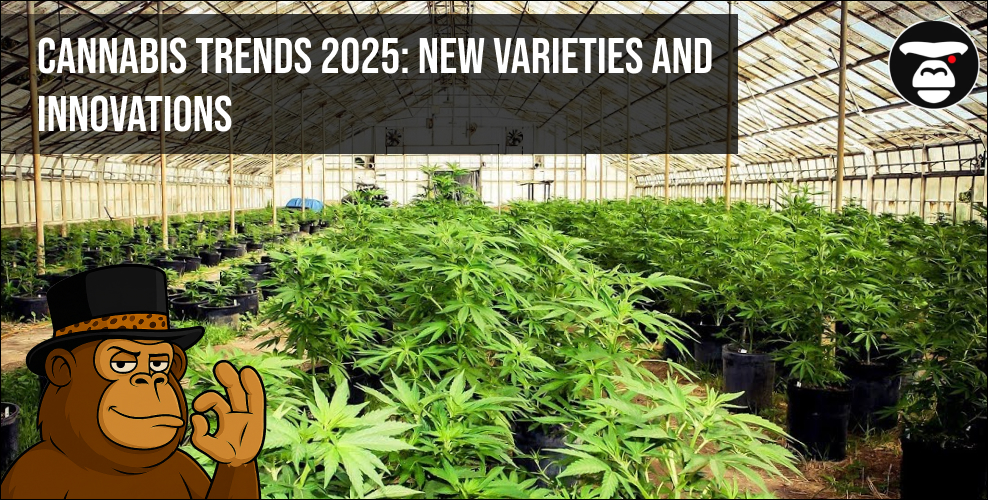
Cannabis trends 2025: new varieties and innovations. The cannabis industry in 2025 is experiencing an unprecedented wave of innovation, marked by the emergence of numerous cannabis strains designed to appeal to both recreational enthusiasts and medicinal users. Breeders are increasingly focused on creating plants with unique terpene profiles, carefully tuned cannabinoid ratios, and enhanced visual appeal.
These new strains are engineered not only for potency but also for flavor complexity, aroma richness, and consistent growth patterns. Strains high in THC provide energetic and euphoric experiences, while those rich in CBD cater to wellness, relaxation, and symptom relief. By offering a range of effects and tastes, these innovations allow consumers to select cannabis that fits their lifestyle or therapeutic goals without guesswork.


Hybridization has become a key strategy for expanding variety options. Breeders cross traditional sativa and indica plants with exotic landrace genetics, aiming for hybrids that retain the best qualities of both parents. This approach allows for predictable flowering times, stable yields, and highly controlled cannabinoid content. Some experimental strains even combine multiple cannabinoids in a balanced ratio, such as THC, CBD, CBG, and CBN, creating nuanced experiences that go beyond the traditional highs and relaxation.
Key features of emerging strains:
- Unique terpene profiles enhancing flavor and aroma, allowing consumers to choose based on taste preference.
- Increased potency with controlled cannabinoid levels for consistent effects and reliability.
- Balanced hybrids suitable for diverse consumption preferences, from creative stimulation to calm relaxation.
The development of these strains reflects the industry’s move toward consumer-centric breeding, where personalization, reliability, and flavor diversity are equally important. As a result, both new and experienced users have more confidence in choosing a strain that meets their desired outcome.
Innovations in cultivation techniques
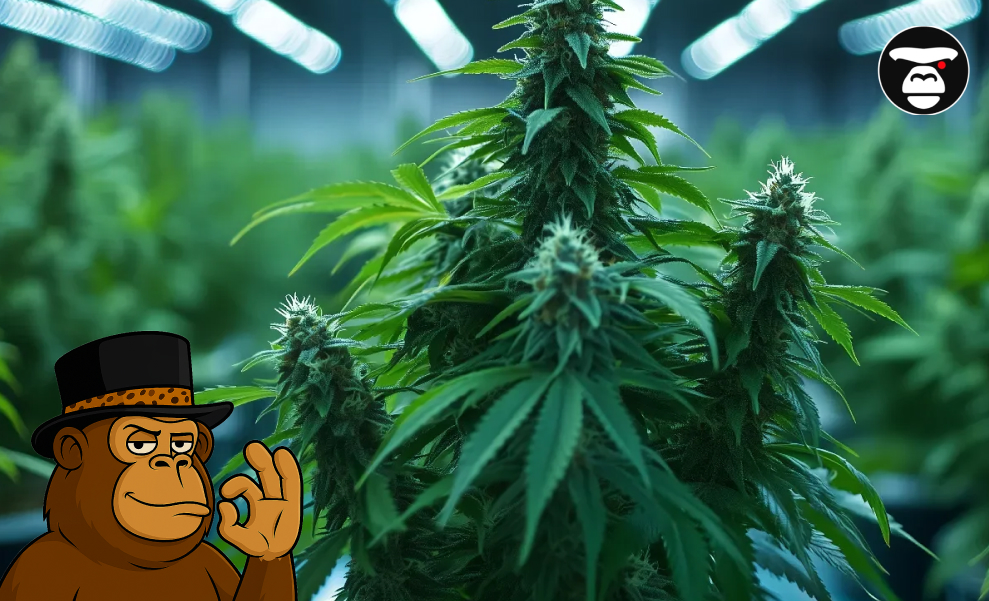
Cannabis cultivation in 2025 is a marriage of technology, science, and horticultural expertise. Indoor growers benefit from cutting-edge smart LED lighting systems that mimic natural sunlight while saving energy. Automated irrigation systems with real-time soil moisture monitoring allow plants to receive the exact amount of water needed, preventing overwatering or nutrient stress. Climate-controlled grow rooms maintain precise temperature, humidity, and airflow, which reduces pest infestations and maximizes cannabinoid production. These innovations ensure that premium cannabis flower has uniform potency, consistent aroma, and visually appealing trichome development across every batch.
Outdoor cultivation has also advanced significantly, especially in regions with long growing seasons. Selective breeding produces plants resilient to local pests, temperature fluctuations, and unpredictable weather patterns. Organic fertilizers, compost teas, and permaculture-inspired techniques enhance soil health and improve plant vigor, which in turn increases terpene and cannabinoid concentration. Growers are increasingly integrating sustainable practices such as rainwater harvesting, solar-powered lighting, and minimal chemical interventions. These methods not only benefit the environment but also elevate the sensory qualities of cannabis flower, making each harvest richer in aroma and flavor.
Top cultivation innovations:
- Smart grow systems with automated lighting, irrigation, and climate monitoring for precision farming.
- Organic and sustainable nutrient solutions that support plant health and environmental responsibility.
- Advanced breeding techniques producing robust plant genetics with stable cannabinoid profiles.
By merging technology with traditional horticulture, cultivators can consistently produce cannabis that meets consumer expectations for both potency and sensory experience. The result is a high-quality product that stands out in a rapidly expanding market.


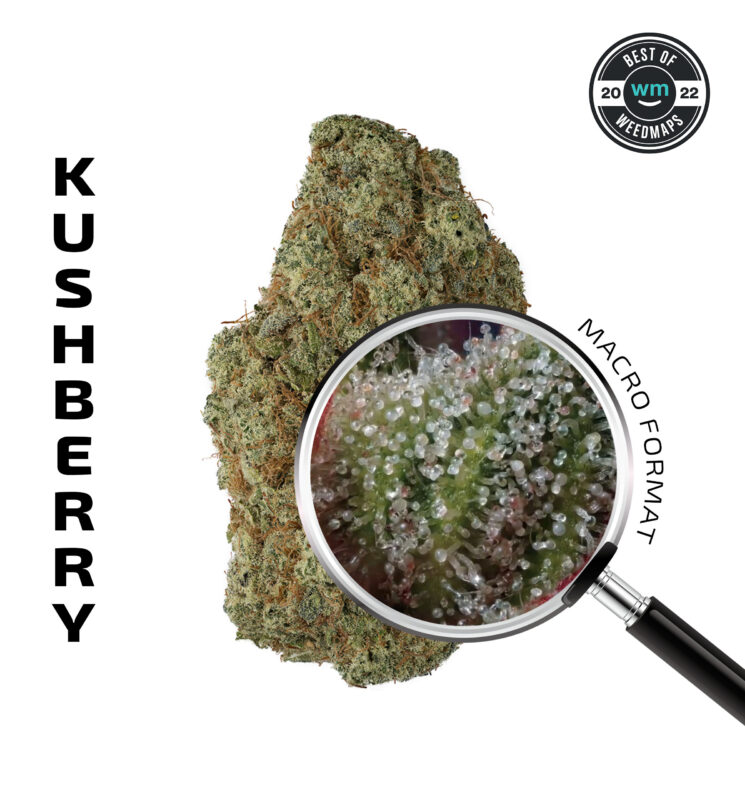
Focus on cannabinoid diversity
Cannabinoid diversity is one of the most significant trends shaping the cannabis industry in 2025. While THC and CBD remain dominant, minor cannabinoids such as CBG, CBN, THCV, and CBC are gaining attention for their unique therapeutic and psychoactive effects. Breeders are now developing strains that emphasize specific cannabinoid profiles, allowing consumers to target relaxation, mental clarity, pain relief, or sleep support. This diversity enables a highly personalized approach to cannabis consumption, where the desired effect can be achieved without excessive psychoactivity.
The medical sector particularly benefits from these developments. Patients can now select strains rich in specific cannabinoids for chronic pain, inflammation, or sleep disorders. In recreational markets, strains with balanced cannabinoid ratios offer novel experiences, combining mild euphoria with calming body effects or cognitive clarity. Breeders are also exploring the synergy between cannabinoids and terpenes, enhancing both flavor and functional effects through precise plant genetics.
Key aspects of cannabinoid diversity:
- Expansion of strains rich in minor cannabinoids, providing unique effects beyond traditional THC highs.
- Targeted wellness and recreational outcomes, tailored to individual user needs.
- Enhanced flavor and aroma via terpene-cannabinoid synergy for multi-dimensional experiences.
The focus on cannabinoid diversity represents a major evolution in cannabis, shifting from one-size-fits-all potency to nuanced, effect-driven selection. Consumers increasingly value this customization, seeking strains that fit their lifestyle, mood, or health goals precisely.
Terpene-driven experiences
Terpenes are emerging as a primary factor in the cannabis experience, shaping not just aroma and flavor but also influencing the subjective effects of a strain. In 2025, growers prioritize terpene-rich cannabis flower, emphasizing profiles such as limonene for uplifting citrus notes, myrcene for earthy relaxation, or pinene for focused alertness. Terpene profiling allows consumers to select strains based on sensory experience and desired physiological response, not just THC content.
Advanced cultivation and curing techniques preserve delicate terpenes that are prone to degradation. Temperature-controlled drying, slow curing, and careful handling prevent aroma loss, producing strains that are visually striking, aromatic, and flavorful. Terpene preservation also enhances the entourage effect, where cannabinoids and terpenes interact synergistically to produce richer, more nuanced experiences.
Terpene-driven highlights:
- Strains curated for specific aroma and taste experiences, creating multi-sensory enjoyment.
- Preservation of volatile compounds through refined curing and handling processes.
- Pairing terpenes with cannabinoids to modulate and enhance effects.
By prioritizing terpene content, breeders elevate cannabis from a purely psychoactive product to a full sensory experience. Users can appreciate subtle flavor notes, intricate aromas, and effects that match their personal preference, resulting in a more refined consumption journey.

APE OG (Indica) — Premium Flower
Discover APE OG, a premium Indica with a rich, earthy flavor and hints of sweet berries. Its musky, floral aroma complements the deeply relaxing effects, perfect for unwinding. This strain offers an indulgent and calming experience, appealing to both connoisseurs and casual enthusiasts.
Each package of Premium Flowers contains CO2 to maintain its potency and taste. Each package includes roll paper and a set of filters for convenience. Available in 1 oz, 1/2 oz, 1/4 oz and 1/8 oz sizes, it is designed for freshness and quality, delivering a premium cannabis experience.


Edibles, concentrates, and innovative products
Cannabis product innovation in 2025 extends far beyond traditional flower. Precision-engineered edibles, tinctures, and concentrates now provide consistent dosing, flavor preservation, and targeted effects. Laboratory-tested formulations ensure that cannabinoid content is accurate, enabling safe and predictable consumption, which is especially important for new or medicinal users.
Innovation also emphasizes convenience and customization. Pre-rolls infused with specific terpenes, ready-to-use vape cartridges, and cannabis beverages allow consumers to choose how, when, and where they consume. Concentrates such as live resin, rosin, and distillates deliver potent experiences while maintaining flavor fidelity. The expansion of infused products appeals to consumers who seek alternative methods of consumption while maintaining the effects and aromatic profiles of traditional flower.
Product innovations include:
- High-potency concentrates for precise, fast-acting effects.
- Edibles with controlled cannabinoid ratios for predictable dosing and long-lasting effects.
- Beverages, tinctures, and vape products designed for discreet, convenient consumption.
These innovations complement cannabis flower by expanding options for different lifestyles. Consumers now enjoy multiple methods of experiencing cannabis, each with unique benefits and flavors, making the market more accessible and versatile than ever.

Health-oriented trends
Health and wellness remain central to cannabis innovation in 2025. Consumers seek strains and products that specifically support sleep, stress reduction, pain management, or cognitive focus. Growers and product developers are now crafting options with targeted cannabinoid and terpene profiles, maximizing therapeutic effects while minimizing unwanted psychoactivity. This approach allows cannabis to integrate seamlessly into wellness routines, enhancing quality of life.
Medical-grade strains are increasingly lab-tested for cannabinoid ratios, terpene content, and contaminant-free cultivation. This guarantees safety, efficacy, and consistency, appealing to patients who require precise dosing. Even recreational consumers are gravitating toward wellness-oriented products, blending relaxation, mental clarity, or mood enhancement into their daily routines.
Health-focused trends:
- Strains developed for specific wellness outcomes, such as anti-anxiety or sleep support.
- Lab-tested cannabinoid ratios ensuring reliable effects and consistent dosing.
- Integration of cannabis into holistic health and lifestyle practices.
The health-centered approach to cannabis is broadening its appeal, helping consumers incorporate it responsibly and purposefully. Products now balance recreational enjoyment with functional benefits, bridging the gap between medical and lifestyle use.
- Freeze Watermelon Weed Strain
- How to Combine Cannabis with Relaxation: Tips from Experienced Users
- Marijuana and Social Interactions: Benefits and Drawbacks
Regulatory influence on innovation
Legal frameworks continue to shape cannabis innovation in 2025. Regions with clear, structured regulations experience rapid product diversification, advanced cultivation techniques, and higher consumer trust. Licensing, standardized testing, and safety guidelines ensure that cannabis flower meets quality expectations, fostering confidence in both medicinal and recreational markets.
Regulatory clarity enables breeders and producers to experiment with novel strains, cannabinoid combinations, and product formats without fear of legal uncertainty. This encourages competition, innovation, and increased variety for consumers. Compliance-driven innovation also benefits public health, as standardized testing and labeling reduce the risk of contamination or inaccurate dosing.
Regulatory-driven highlights:
- Standardized labeling, testing, and safety protocols for consumer protection.
- Legal frameworks fostering research and development of new strains and products.
- Market competition and diversity driven by regulatory transparency.
Legal oversight promotes creativity while maintaining accountability. Producers are free to innovate within established boundaries, ensuring safe, high-quality, and exciting cannabis options for a rapidly expanding market.
Final Thoughts on “Cannabis trends 2025: new varieties and innovations”
The cannabis landscape in 2025 is defined by innovation, diversity, and personalization. Consumers now have access to a wider range of cannabis strains than ever before, from high-THC hybrids to cannabinoid-rich wellness varieties. The focus on terpene profiles, minor cannabinoids like CBG and THCV, and carefully balanced effects allows users to select products that match their exact needs—whether for recreation, relaxation, or medical support. This level of customization transforms cannabis from a generic experience into a fully tailored journey.
Innovation in cultivation and product development ensures that cannabis flower is consistently high-quality, flavorful, and potent. Smart grow systems, sustainable practices, and precise breeding techniques combine to deliver visually striking, aromatic, and effective strains. Beyond flower, edibles, tinctures, concentrates, and infused beverages are evolving to offer convenience, controlled dosing, and exciting flavor profiles, broadening the appeal of cannabis to new audiences.
Sustainability and regulatory clarity continue to shape the market, encouraging responsible practices and fostering consumer trust. The integration of personalization, wellness-focused products, and eco-conscious production positions cannabis as both a lifestyle choice and a tool for well-being. With 2025 trends, users can explore a dynamic, flavorful, and innovative cannabis market, discovering varieties and products that align perfectly with their preferences and lifestyles.

FAQ
What are the top cannabis trends in 2025?
The main trends include personalized strains, minor cannabinoid exploration (like CBG, CBN, THCV), terpene-focused flavor experiences, sustainable cultivation, and innovative consumption products such as edibles, concentrates, and infused beverages. Consumers are seeking both recreational enjoyment and wellness-oriented options.
How do new cannabis strains differ from older varieties?
New strains are carefully bred for predictable cannabinoid ratios, unique terpene profiles, and consistent growth. Modern hybrids combine visual appeal, aroma, flavor, and effect reliability. Many focus on specific wellness outcomes or highly tailored recreational experiences.
Why is terpene content so important?
Terpenes influence both flavor and the subjective effect of cannabis. Limonene, myrcene, and pinene are examples that can enhance mood, relaxation, or focus. Strains with preserved terpenes offer richer, more nuanced experiences beyond THC potency alone.
How are cultivation techniques evolving?
Advancements include smart LED lighting, automated irrigation, climate-controlled grow rooms, organic nutrients, and sustainable outdoor practices. These methods ensure consistent cannabis flower with high potency, aroma, and visual appeal while reducing environmental impact.
What should consumers consider when choosing cannabis products?
Consumers should look at cannabinoid ratios, terpene profiles, consumption methods (flower, edibles, tinctures), desired effects, and lab-tested quality. Personalized choices enhance the experience and ensure safety, efficacy, and satisfaction.