

Weed Education
How the Endocannabinoid System Works in This

The endocannabinoid system (ECS) is a complex cell-signaling system crucial for maintaining internal balance, or homeostasis, within the body. It involves cannabinoid receptors, primarily CB1 and CB2, which interact with endocannabinoids produced naturally by the body. These receptors are found throughout the nervous system and immune cells, influencing processes like mood, appetite, pain sensation, and inflammation. Unlike other systems, the ECS operates on demand, producing endocannabinoids only when needed to restore equilibrium.
Endocannabinoid System dynamic regulation distinguishes it from static signaling pathways. Understanding how the endocannabinoid system functions reveals its role in modulating physiological responses rather than initiating them. The system’s adaptability allows it to fine-tune various bodily functions, making it a target for emerging wellness products. For example, some supplements aim to support ECS balance by influencing receptor activity or endocannabinoid levels. This nuanced control mechanism is key to appreciating the ECS’s impact on overall health and wellness.


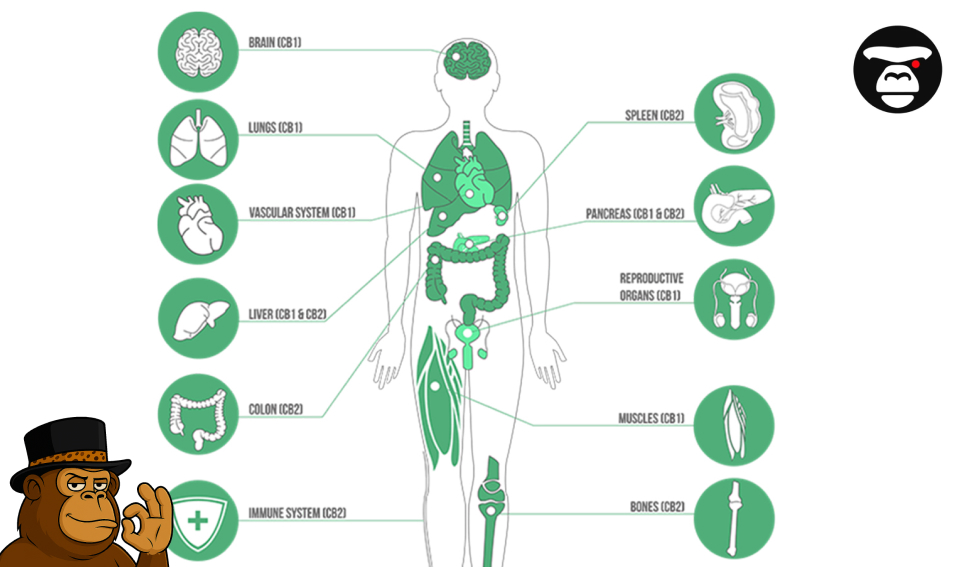
The ECS’s cannabinoid receptors, CB1 and CB2, differ in location and function, with CB1 primarily in the brain and nervous system, and CB2 in peripheral organs and immune cells. This distribution explains the ECS’s broad influence on both neurological and immune responses. Endocannabinoids like anandamide and 2-AG bind to these receptors, triggering cellular responses that adjust neurotransmitter release and immune activity. Unlike traditional neurotransmitters, endocannabinoids are synthesized on demand and degrade quickly, ensuring precise control.
This transient signaling is essential for preventing overstimulation and maintaining balance. Additionally, the endocannabinoid system interacts with other receptor systems, such as serotonin and opioid receptors, creating a network of regulatory pathways. This crosstalk enhances the ECS’s ability to modulate mood, pain, and inflammation. The system’s responsiveness to external cannabinoids, like CBD, has spurred interest in products that may support ECS function. Understanding these interactions helps clarify how supplements and therapies might influence wellness through endocannabinoid system modulation.
- ECS maintains balance by regulating key body functions
- CB1 and CB2 receptors have distinct roles and locations
- Endocannabinoids act on demand and degrade rapidly
- ECS interacts with other receptor systems for complex control
- Supplements may support ECS by influencing receptor activity

Comparing ECS Supplements and Cannabinoid Products
Endocannabinoid System supplements and cannabinoid products vary widely in composition and effects. Some focus on boosting natural endocannabinoid levels, while others target receptor activation directly. For instance, CBD products interact with endocannabinoid system receptors indirectly, modulating their activity without binding strongly. In contrast, THC binds directly to CB1 receptors, producing psychoactive effects. ECS supplements often include precursors or cofactors that support endocannabinoid synthesis and degradation balance. When comparing these products, consider bioavailability, dosage, and purity. Lab-tested items ensure consistent cannabinoid content and absence of contaminants.
Consumers seeking non-intoxicating options may prefer CBD or ECS supplements over THC-rich products. Understanding these differences helps users select items aligned with their wellness goals and tolerance levels. This nuanced comparison highlights the importance of product transparency and targeted endocannabinoid system support.
















Practical Effects of ECS Modulation
Modulating the endocannabinoid system can influence mood, stress response, appetite, and pain perception. Activation of CB1 receptors in the brain affects neurotransmitter release, impacting anxiety and memory. CB2 receptor engagement modulates immune cell activity, reducing inflammation. Users often report relaxation and improved sleep when ECS balance is supported. However, effects vary based on individual endocannabinoid system tone and product composition. Understanding ECS modulation helps users anticipate outcomes and tailor usage. For example, non-psychoactive cannabinoids may provide subtle benefits without intoxication. This practical insight guides informed decisions about incorporating ECS-targeted products into wellness routines.
Quality Considerations for ECS Supplements
Ensuring quality in endocannabinoid system supplements involves rigorous lab testing for cannabinoid potency, purity, and absence of harmful substances. Reliable products disclose cannabinoid profiles and third-party test results. Stability and bioavailability are critical for effective endocannabinoid system support. Consumers should seek items free from pesticides, heavy metals, and solvents. Transparent manufacturing practices and certifications enhance trust. Quality assurance protects users and maximizes potential ECS benefits. Selecting well-tested supplements reduces risks and supports consistent wellness outcomes.




Buying Guide for ECS Support Products
When choosing endocannabinoid system support products, prioritize those with clear labeling, verified cannabinoid content, and transparent sourcing. Consider your wellness goals, such as stress relief or inflammation reduction, to select appropriate formulations. Dosage flexibility and product form—like tinctures, capsules, or topicals—affect convenience and absorption. Price should reflect quality, not just brand name. Reading customer reviews and consulting product certifications can guide selection. Avoid items with undisclosed ingredients or exaggerated claims. A thoughtful buying approach ensures effective and safe endocannabinoid system support tailored to individual needs.
You may be interested

Step-by-Step ECS Function Explained
The ECS operates through a sequence of steps starting with endocannabinoid synthesis in response to cellular stress or imbalance. These molecules then bind to cannabinoid receptors, triggering intracellular signaling cascades that adjust physiological processes. After fulfilling their role, endocannabinoids are rapidly degraded by enzymes to prevent excessive activation. This cycle ensures precise modulation of functions like pain, mood, and immune response. External cannabinoids can influence this system by mimicking or enhancing endocannabinoid activity. Understanding this stepwise mechanism clarifies how ECS-targeted products work and their potential impact on health.




Authenticity and Balance in ECS Wellness
Authenticity in ECS wellness products means transparent sourcing, honest labeling, and respect for the system’s complexity. The ECS is not a one-size-fits-all target; it requires balanced support tailored to individual physiology and goals. Quality and safety are paramount, with lab testing ensuring products meet rigorous standards without harmful contaminants. Consumers benefit from fair pricing that reflects true value rather than marketing hype. Personal wellness journeys involving ECS modulation should emphasize gradual adjustment and attentive monitoring of effects.
This approach respects the ECS’s dynamic nature and avoids overstimulation or suppression. Community feedback and shared experiences enrich understanding and trust in ECS products. Ultimately, trusting the process and choosing products aligned with these principles fosters sustainable wellness and deeper connection to the body’s natural regulatory systems.

FAQ — How the Endocannabinoid System Works in This
WHAT IS THE ENDOCANNABINOID SYSTEM AND HOW DOES IT FUNCTION?
The endocannabinoid system (ECS) is a biological network that regulates internal balance by using cannabinoid receptors to respond to bodily changes. It functions through endocannabinoids that bind to CB1 and CB2 receptors, influencing mood, pain, and immune responses, including lab-tested products. This system produces these molecules on demand, ensuring precise control. External substances like CBD can interact with the ECS, potentially supporting its function. Understanding the ECS helps explain how various wellness products work. The system’s adaptability makes it a key player in maintaining overall health and homeostasis.
HOW DO LAB-TESTED PRODUCTS ENSURE ECS SUPPLEMENT SAFETY AND QUALITY?
Lab-tested products provide assurance of safety and quality by verifying cannabinoid content and screening for contaminants like pesticides and heavy metals. These tests confirm that ECS supplements meet potency standards and are free from harmful substances. Reliable lab results help consumers trust product consistency and effectiveness. This transparency is crucial for ECS-targeted items, as it ensures users receive accurate dosages and safe formulations. Choosing lab-tested products reduces risks and supports informed decisions for wellness routines involving the ECS.
WHAT EFFECTS CAN USERS EXPECT FROM SUPPORTING THE ECS WITH PRODUCTS?
Supporting the ECS with lab-tested products can influence mood stabilization, pain relief, and immune modulation. Activation of cannabinoid receptors helps regulate neurotransmitter release and inflammatory responses. Users often experience relaxation, reduced anxiety, and improved sleep quality. Effects vary based on individual ECS tone and product composition. Non-psychoactive options like CBD provide subtle benefits without intoxication. Understanding these effects helps users tailor their choices to personal wellness goals and anticipate outcomes more accurately.
WHAT SHOULD CONSUMERS KNOW ABOUT USING PRE-ROLLS FOR ECS MODULATION?
Pre-rolls offer a convenient way to experience cannabinoids that interact with the endocannabinoid system, delivering effects through inhalation. They provide rapid onset, allowing users to gauge their response quickly, including lab-tested products. When selecting pre-rolls, consider cannabinoid content, strain type, and lab testing for purity. Responsible use involves starting with low doses to assess tolerance. Rolled options can complement other ECS support methods but should be chosen carefully to align with wellness objectives and avoid unwanted psychoactive effects.
HOW DOES WEED DELIVERY IMPACT ACCESS TO ECS-RELATED PRODUCTS?
Weed delivery services enhance access to ECS-related lab-tested products by providing convenient, discreet options for obtaining cannabinoids. This accessibility supports consistent use, which is important for maintaining ECS balance. Delivery platforms often offer a variety of items, including tinctures, capsules, and topicals, catering to diverse preferences. Reliable delivery ensures product quality and timely arrival, fostering trust. This convenience encourages users to integrate ECS support into daily routines more effectively, promoting sustained wellness benefits.